
Start with the workplace, not a universal interval
Test-and-tag frequency depends on where equipment is used, the conditions it faces and the duties that apply to the workplace. A single timetable is not suitable for every operation.
Construction and demolition work has specific inspection requirements. The source article identifies quarterly testing for portable electrical equipment in those environments, while other workplaces need an inspection system matched to their risks.
For other places of business
Outside construction and demolition, the employer still needs to keep electrical equipment safe and arrange appropriate inspection and testing. The environment, equipment use and available controls should guide the programme.
The article points businesses to the intervals in AS/NZS 3760 as a guide and describes a documented risk assessment as another way to establish a suitable frequency where workplace conditions differ.
- Record how and where the equipment is used.
- Consider flexing, abuse, moisture, dust, heat and other hostile conditions.
- Document the controls already used to reduce risk.
- Keep a repeatable inspection, testing and asset-record system.
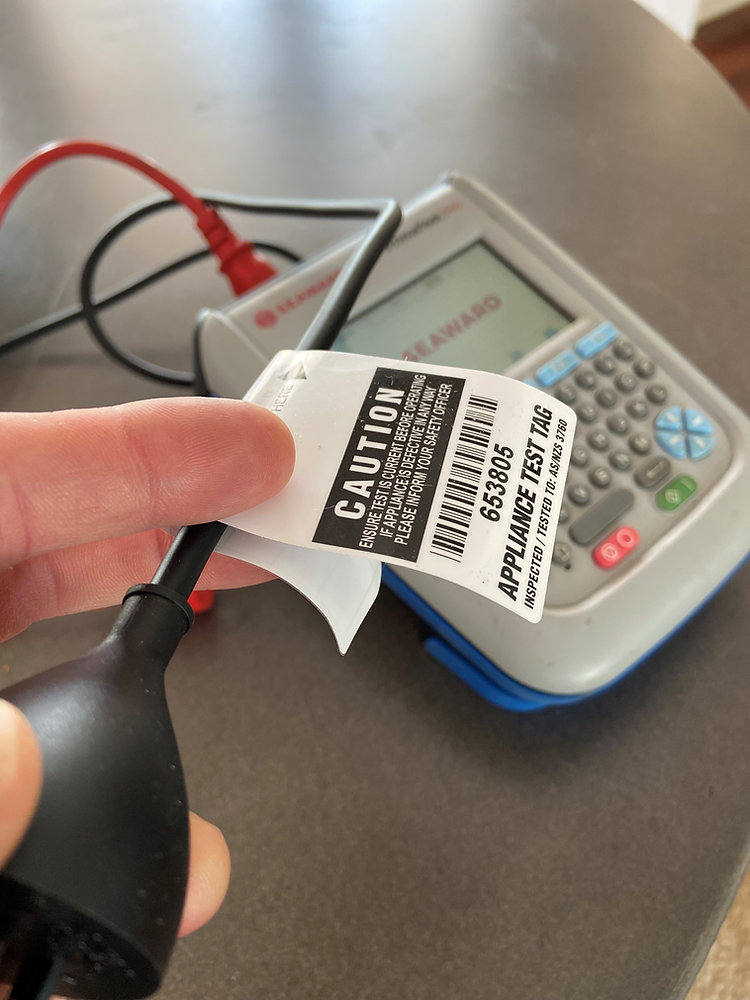
Testing provides more than a compliance record
Electrical safety is the primary purpose, but a consistent programme can also reveal equipment trending towards failure before it interrupts production.
The resulting register gives the business a clearer inventory of tools, locations and test history, making replacement planning and asset tracking easier.