

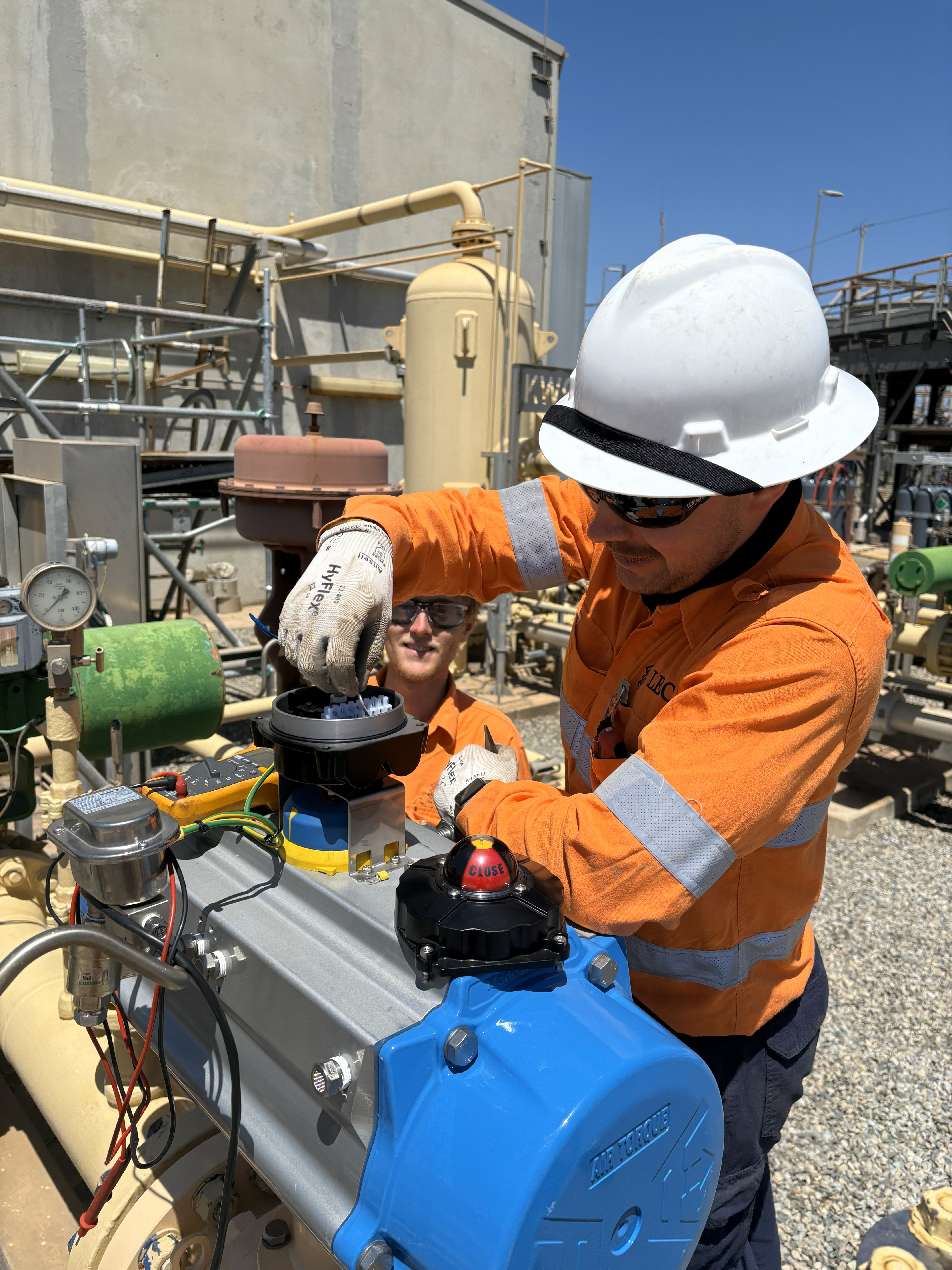
Keep a firm boundary around electrical work
Operators and facilities teams can contribute valuable observations, but observation is not electrical inspection or electrical work. People without the required electrical licence must not open, access or work on electrical equipment.
Set clear reporting and isolation boundaries, then pass suspected faults to a licensed electrician for investigation and correction.
Create an early-warning routine
- Keep a shared fault log with the date, location and observed change.
- Ask operators to report changes in noise, vibration, drive response and panel behaviour.
- Use a site-specific observation checklist during routine walks.
- Report small anomalies instead of accepting them as normal quirks.
- Review the maintenance register weekly and escalate overdue work.
Protect enclosures and their environment
- Confirm doors are closed and latched after maintenance.
- Keep ventilation paths clear and attend to accessible external filters.
- Remove stored materials and combustibles from electrical areas.
- Look for moisture, condensation, corrosion and water tracks.
- Check visible cable entries, supports and sheaths for damage.
Keep identification and safety systems useful
- Report missing or unreadable cable and equipment labels.
- Confirm expected indicator lights and alarms are operating.
- Visually check accessible earthing and bonding conductors for damage or corrosion.
- Keep isolation points and emergency stops visible and accessible.
- Confirm nearby fire detection, suppression and extinguisher inspections are current.
Notice heat, damage and changing performance
- During routine walks, listen and smell for new buzzing, crackling or hot-plastic odours.
- After a trip or fault, do not simply reset equipment if there are visible signs of heat damage.
- Where the site already uses a non-contact thermometer, record normal motor temperatures and trend changes.
- Report damage or unauthorised changes to hazardous-area equipment immediately.
- Visually check portable equipment, current tags and leads before use, then quarantine anything damaged.
Know when observation is no longer enough
These habits improve the information available to the maintenance team, but they do not replace thermographic surveys, electrical testing, condition assessment or a formal preventative maintenance programme.
A clear observation log helps the electrician use site time efficiently and investigate recurring conditions instead of starting from zero after every failure.