

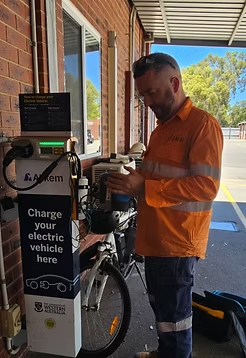
EV chargers operate in demanding conditions
Charging stations manage high power, communications and repeated connection cycles, often while exposed to weather and public use. Small defects can affect charging speed, reliability, safety and equipment life.
A planned routine combines frequent non-intrusive observations with periodic professional inspection and testing.
Owner and operator checks
- Look for cable, connector, housing or display damage.
- Confirm indicator lights and the emergency-stop arrangement appear normal.
- Record connection failures, charging duration, error messages and unusual behaviour.
- Keep ventilation paths clear and remove surrounding debris.
- Check weather protection, drainage, vegetation and signs of water entry.
Professional preventative maintenance
The source recommends a professional inspection at least annually, adjusted for equipment, use, manufacturer instructions and site conditions.
- Protective-earth and dangerous-voltage checks
- Cable and vehicle-state simulation
- Earth-fault and RCD testing
- Cabinet ingress inspection and cleaning
- Thermographic inspection of internal equipment
- Testing against the current requirements applicable to the installation
Warning signs that need attention
- Repeated breaker trips or persistent error messages
- Slower, intermittent or failed charging sessions
- Unusual heat, noise or odour
- Damaged cables, connectors or enclosure
- Communication failures or a significant performance change
- Damage after severe weather or another electrical incident